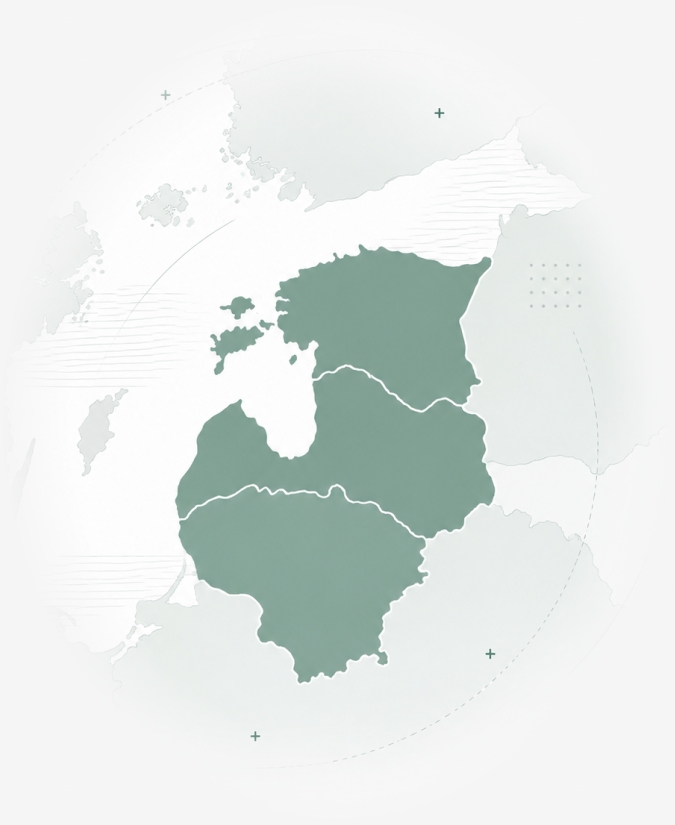
Estonia, Latvia and Lithuania have a powerful story to tell.
Since regaining independence in 1991, the Baltic states (B3 for short) have become vigilant, resilient countries with stable economies, strong institutions and lively civil societies.

The Baltic story
Since regaining independence in 1991, the Baltic states (B3 for short) have become vigilant, resilient countries with stable economies, strong institutions and lively civil societies.
Financial Stability
Their borrowing costs are roughly the same as France's - international financial markets apply no significant geopolitical risk premium. We explore this more in the June 2026 edition of the Baltic Barometer.
Defence Innovation
Their innovative military-tech companies offer game-changing innovation. Their intelligence insights into Russia and Belarus are unmatched. They spend well above the European average on defence – 4, 5, even 6% of GDP. In short, they are not a drain on European defence - they boost it.
Global Rankings
They score highly in international rankings for Economic Competitiveness & Freedom; Digital & Innovation; Governance & Sustainability; Quality of Life & Human Development; Education & Universities and others
The Problem
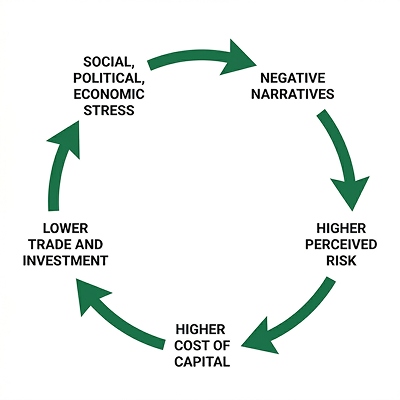
At home, such messages coming from respected "western" sources corrode public morale. Abroad, they weaken NATO and EU solidarity. They stoke perceptions of risk and potentially could damage trade, investment and tourism. This risks creating a "Doom Loop" -- see below.
The doom loop
Our Response
Its workstreams include:

BISC highlights Baltic security strengths and smarts, exposes the real problems and — when necessary — engages with the scaremongers.

Narrative shifting research, such as our Kaliningrad 2050 programme. The real regional security problem is that Russia's trophy exclave is unsustainable.

Bringing together experts, policymakers, and opinion-formers to meet senior Baltic decision-makers.

Helping the public and private sectors develop convincing messaging, and message-carriers on security themes.
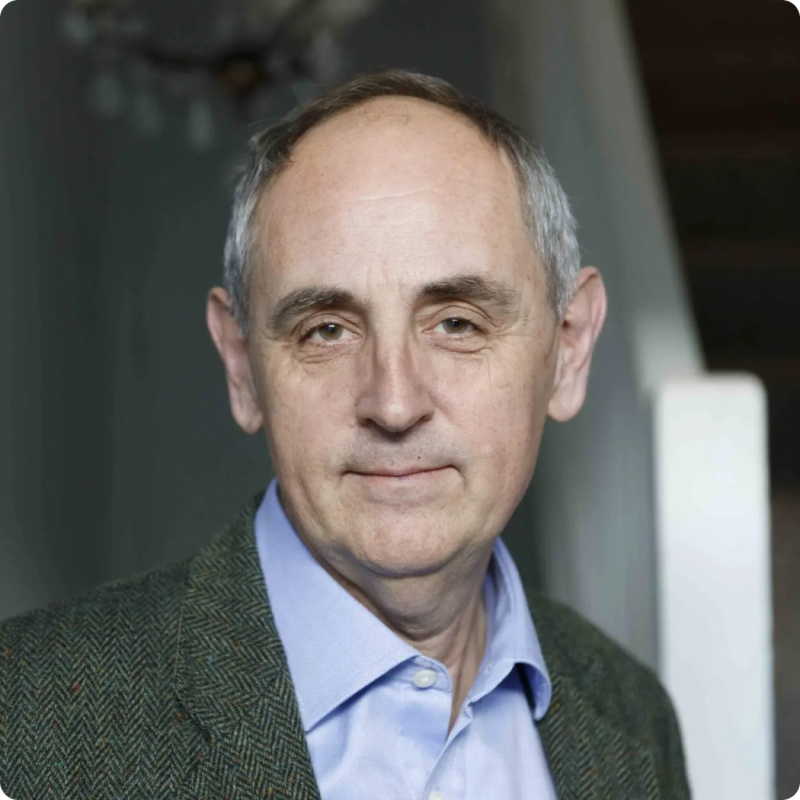
FOUNDER AND DIRECTOR
Edward Lucas combines unrivalled knowledge of the region with high-level international media, government and other connections. A former Economist senior editor and veteran foreign correspondent, now based in London, he has testified to Congressional and other parliamentary committees, and consulted for governments.
Partners
BISC is editorially independent, but works closely with like-minded partners: governments, multilateral bodies, diaspora organisations, thinktanks and media outlets, in the Baltic states and elsewhere.
Patrons
Toomas Hendrik Ilves
Former President of Estonia
Valdis Zatlers
Former President of Latvia
Dalia Grybauskaitė
Former President of Lithuania
Governance
BISC is registered in the UK, company number 16816248, at 27 Old Gloucester St, London WC1N 3AX UK. BISC's governance and strategic direction are overseen by a board of trustees.