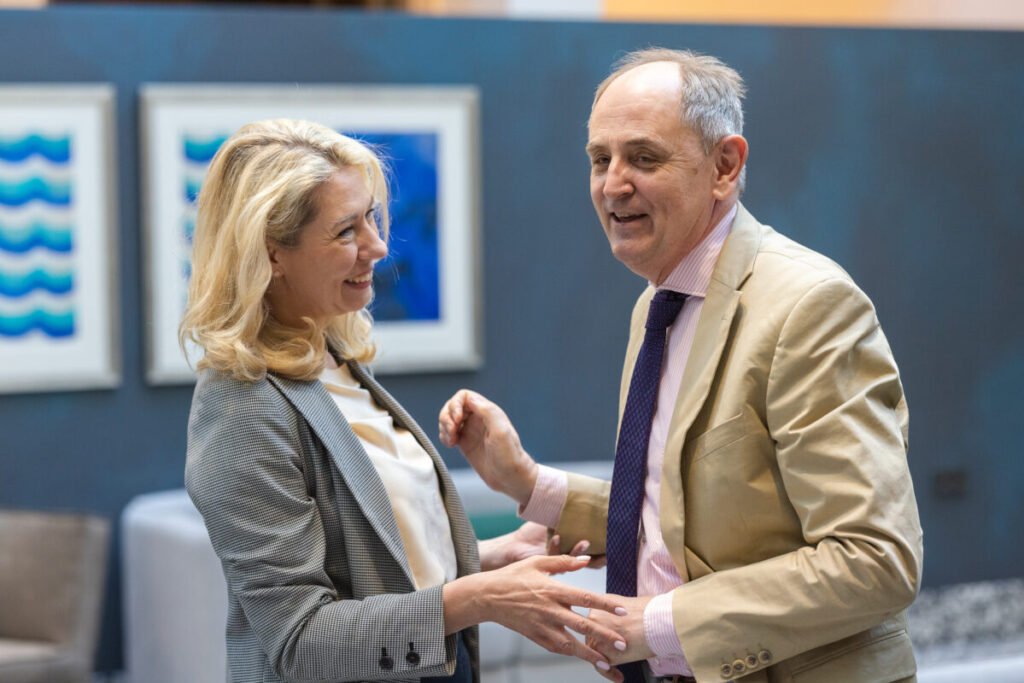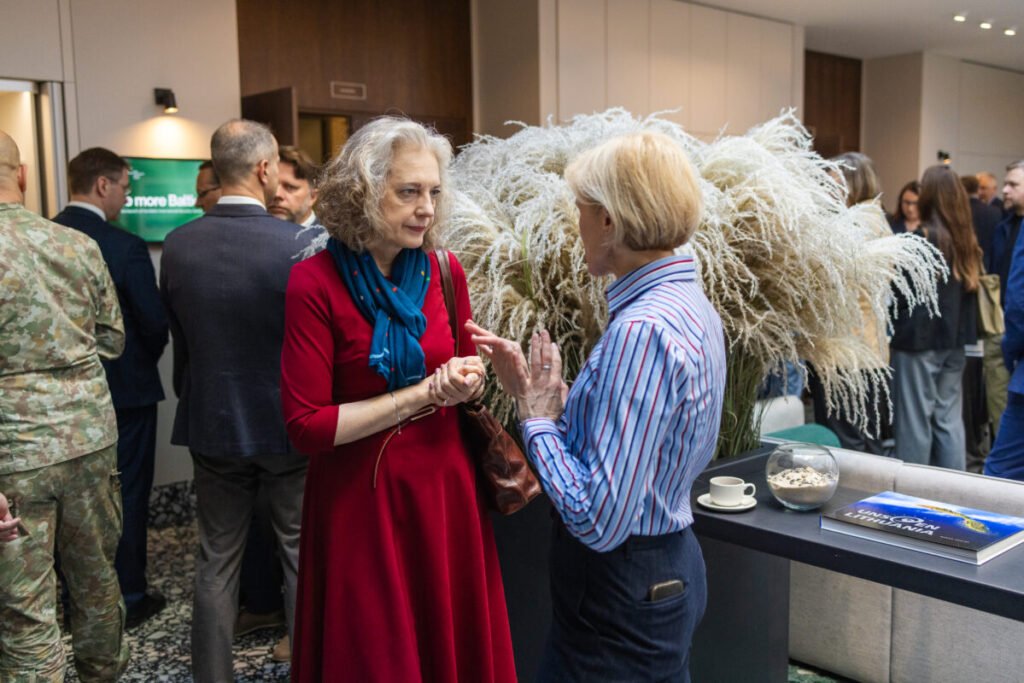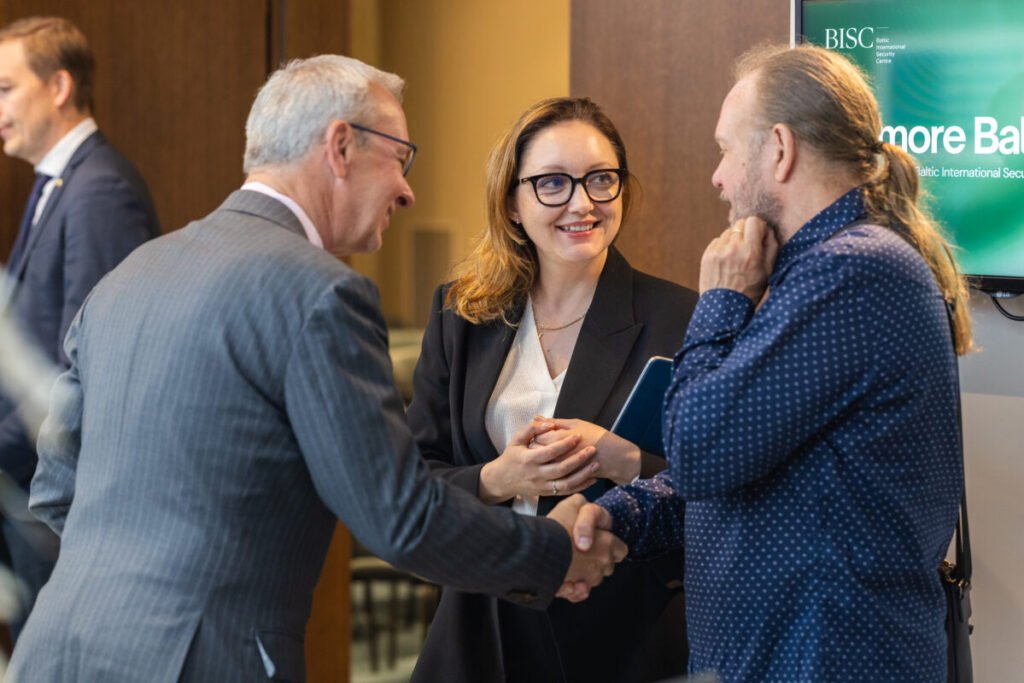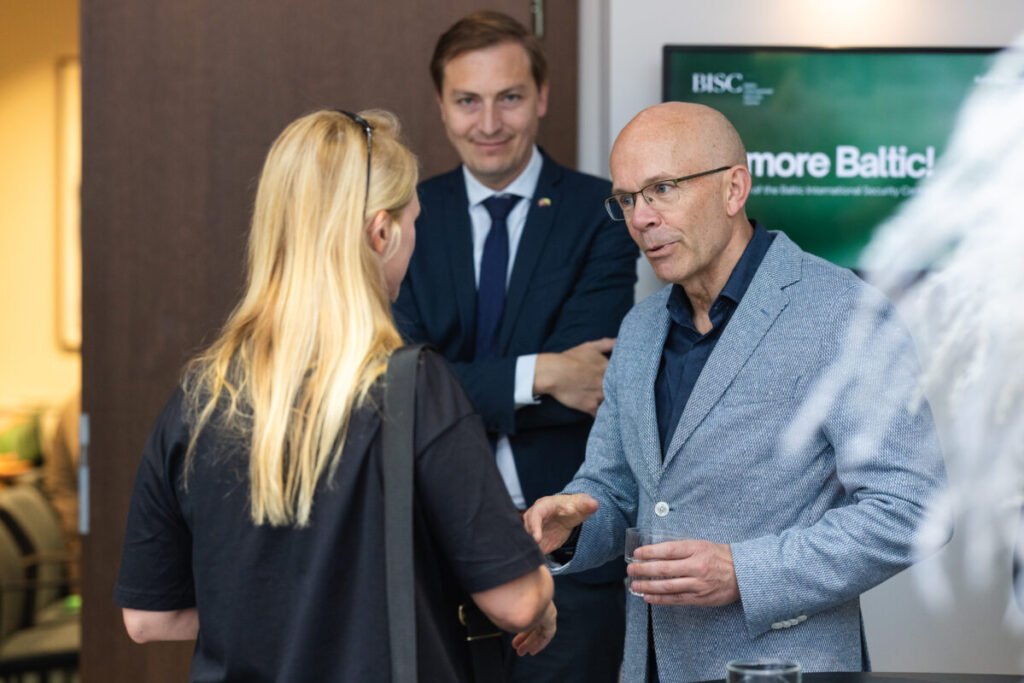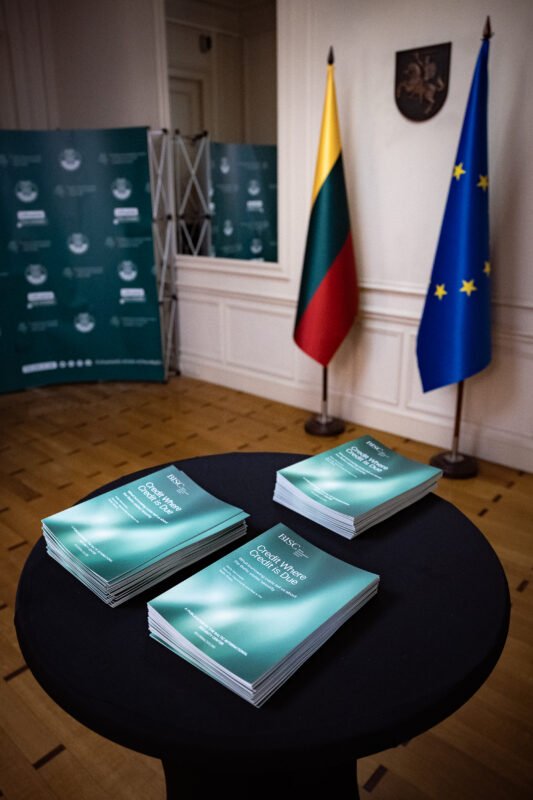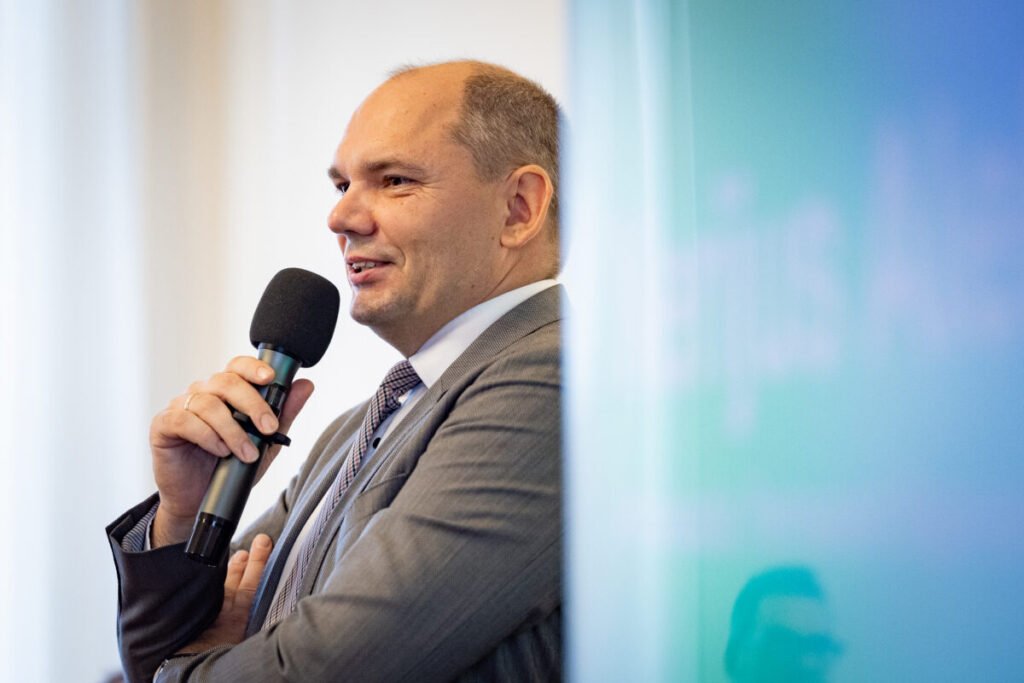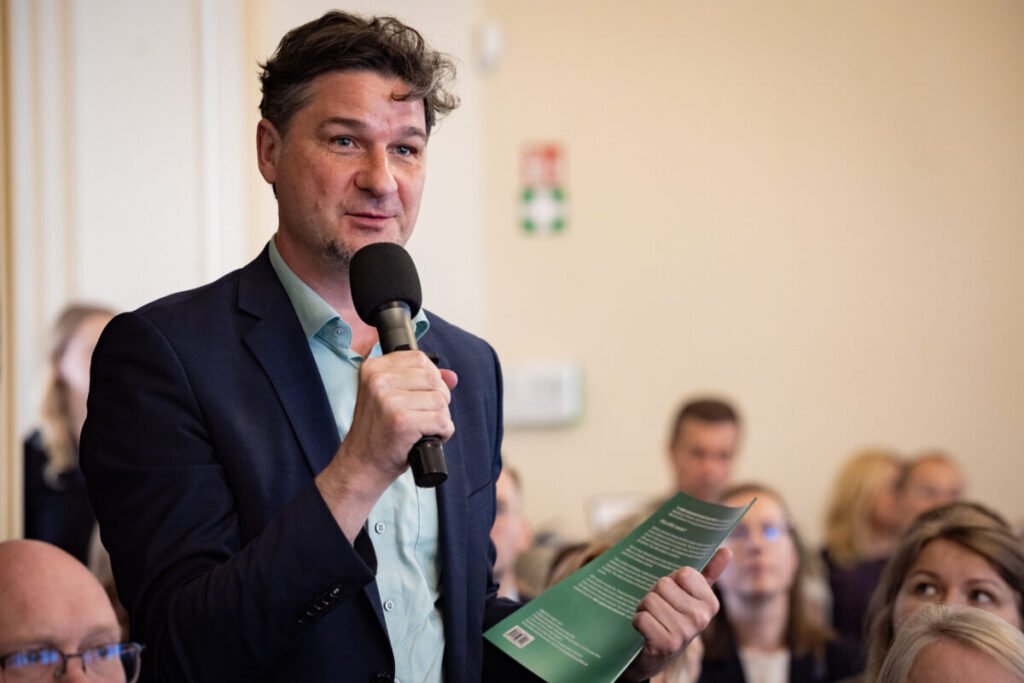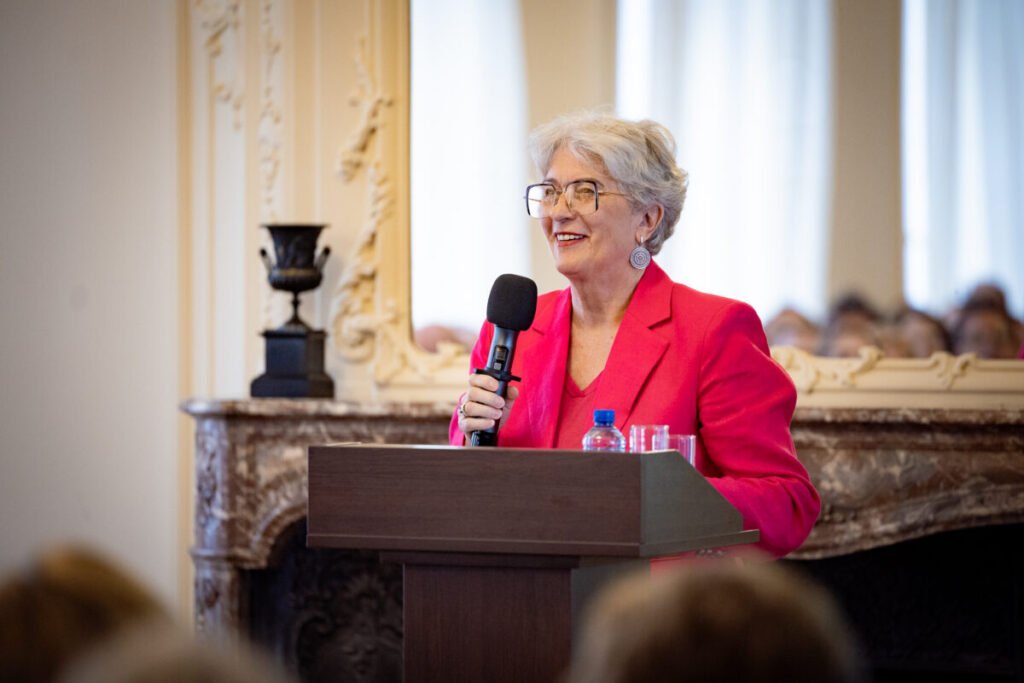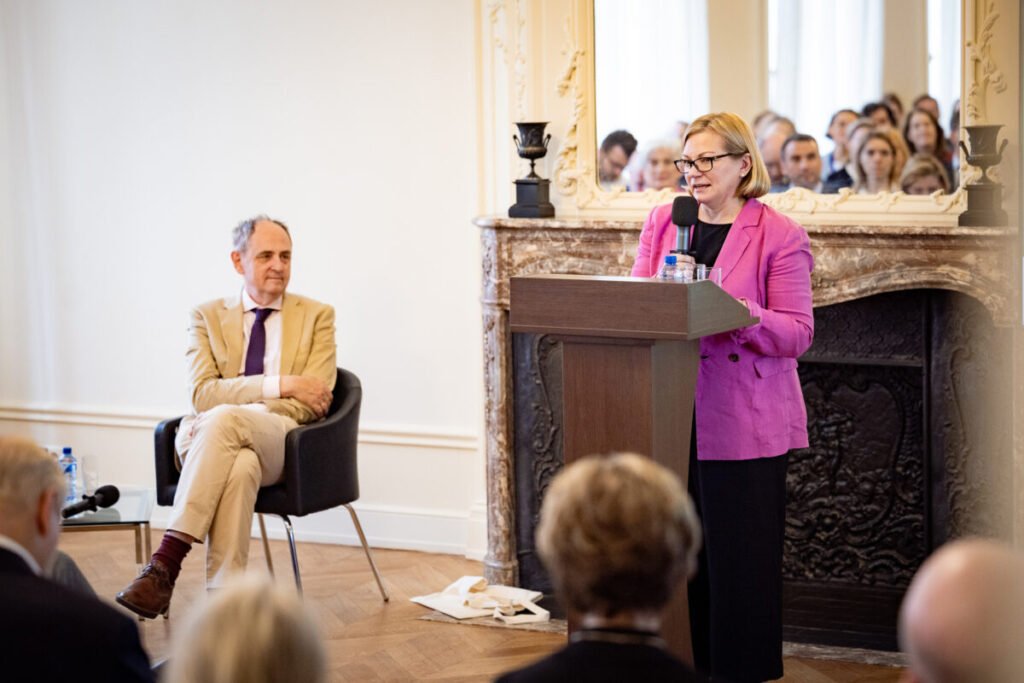
The Baltic International Security Centre (BISC) had the pleasure of welcoming more than 240 guests to its launch events in Vilnius and Brussels earlier this month.
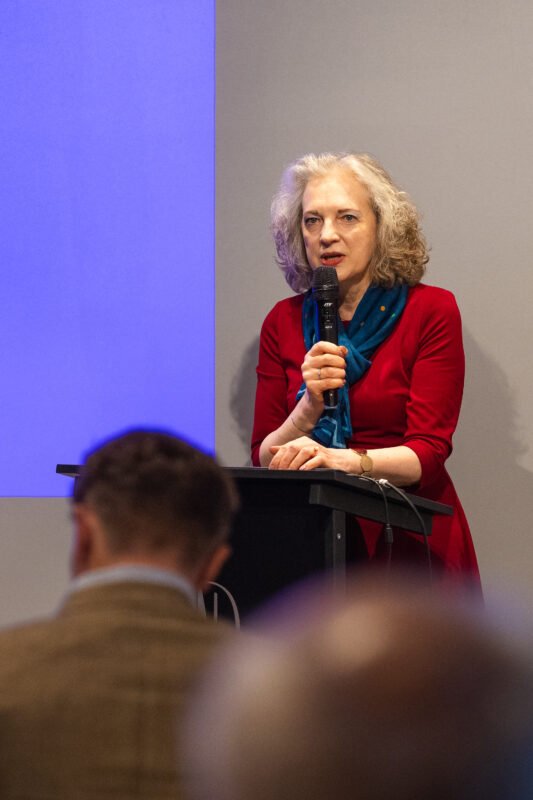
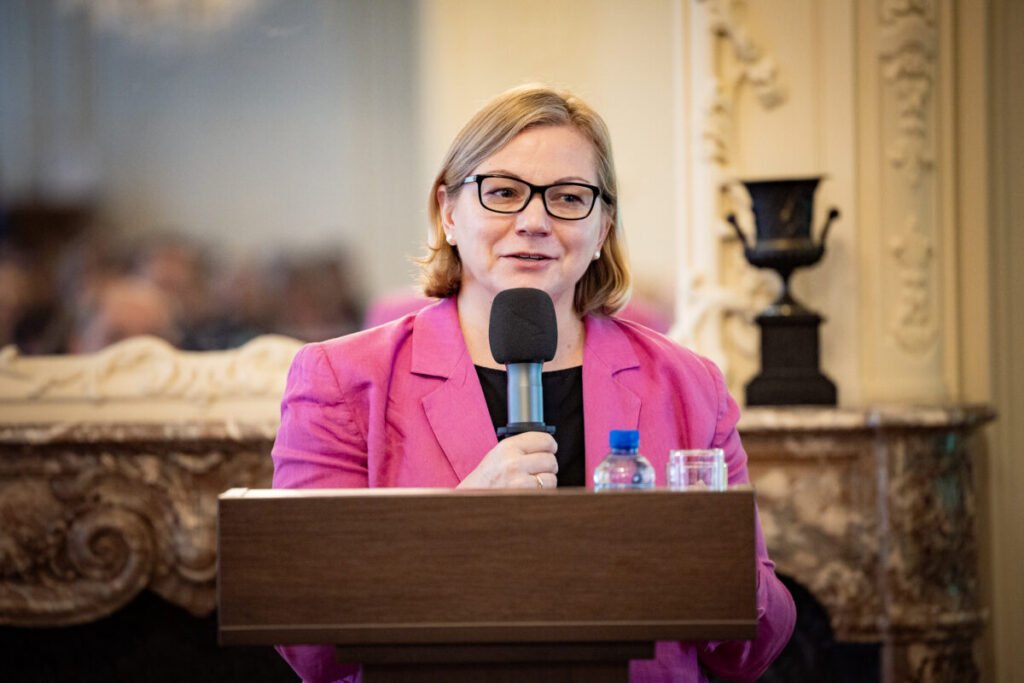
BISC’s opening week began in the Lithuanian capital, where the Centre made its public debut before a packed room at the historic Neringa Hotel on 2 June. The event was opened by Asta Skaisgirytė, Foreign Policy Adviser to the President of Lithuania, who highlighted the timeliness of BISC’s mission to a distinguished audience that included four Lithuanian vice-ministers, ambassadors and heads of mission from across Europe and beyond, as well as representatives from business, the media, civil society and academia.
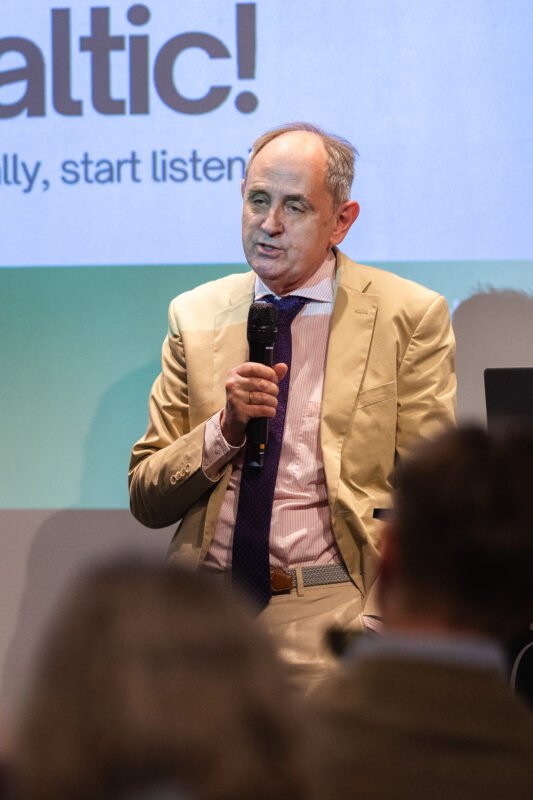
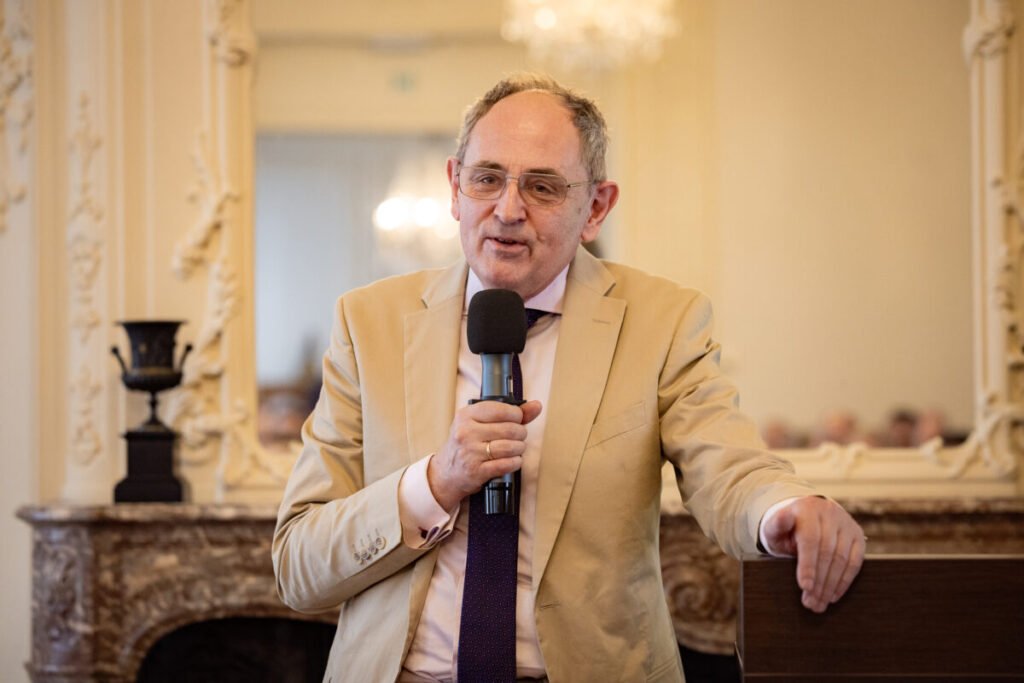
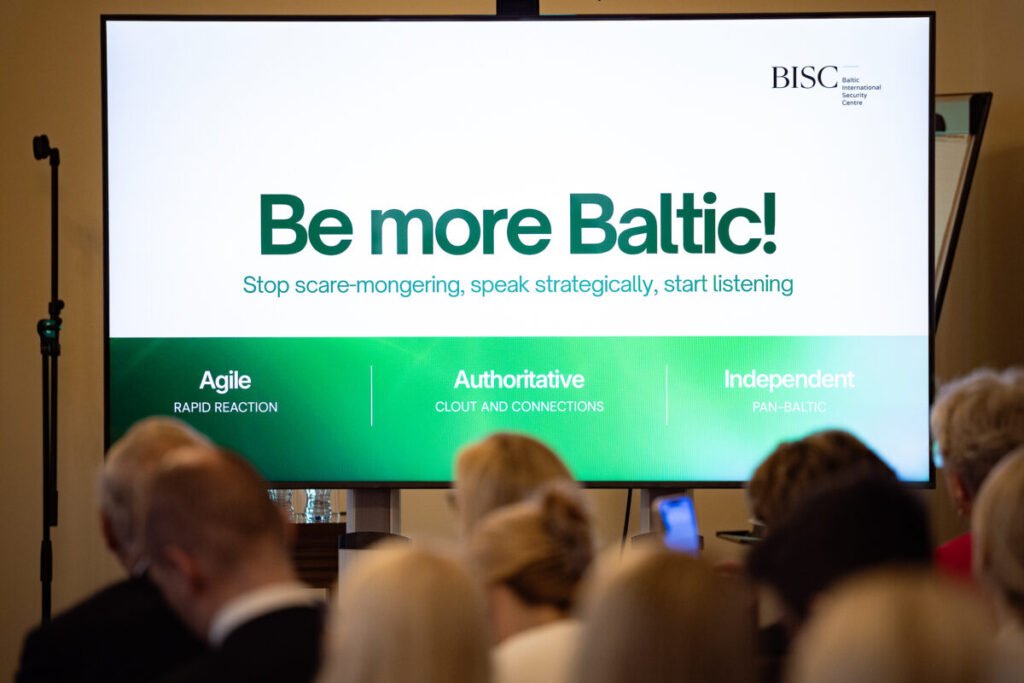
BISC founder-director Edward Lucas then set out his thinking behind the project, rooted in a long-standing frustration: that too often the “old West” overlooks the perspectives of those who understand the Baltic region most directly, patronises and “West-splains”, whilst underestimating the region’s dynamism, innovation and strategic clarity. The Baltic states, he argued, have long been ahead of the curve on security and resilience, and BISC exists to ensure that their experience and insights are heard, challenging complacency and conventional wisdom alike.
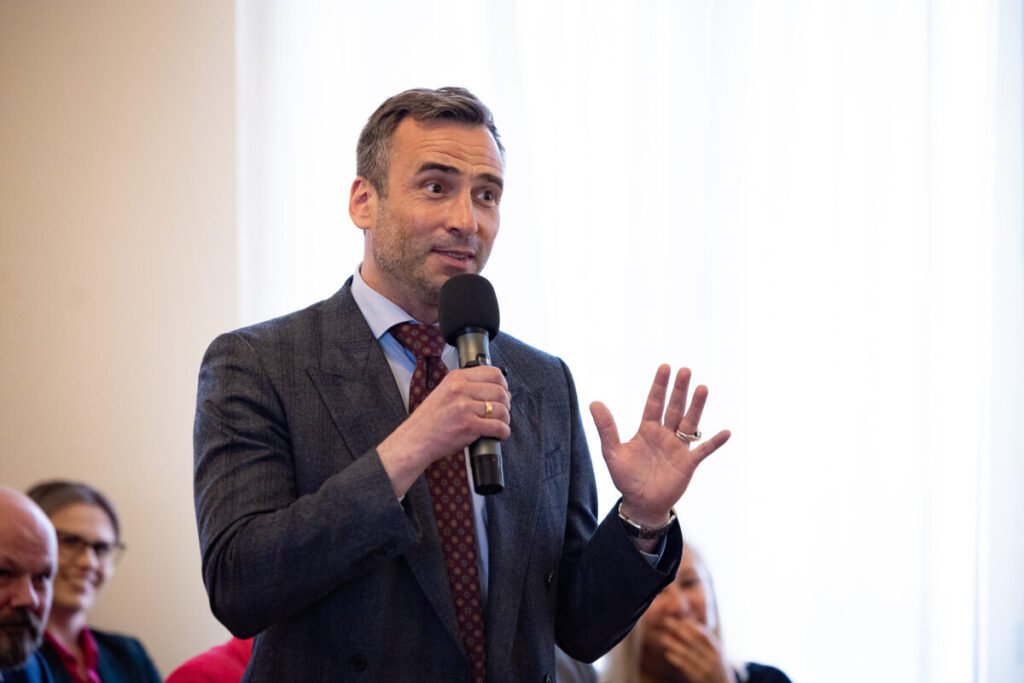
The event concluded with a thought-provoking conversation and audience Q&A between Lucas and Delfi Editor-in-Chief Rasa Lukaitytė-Vnarauskienė.
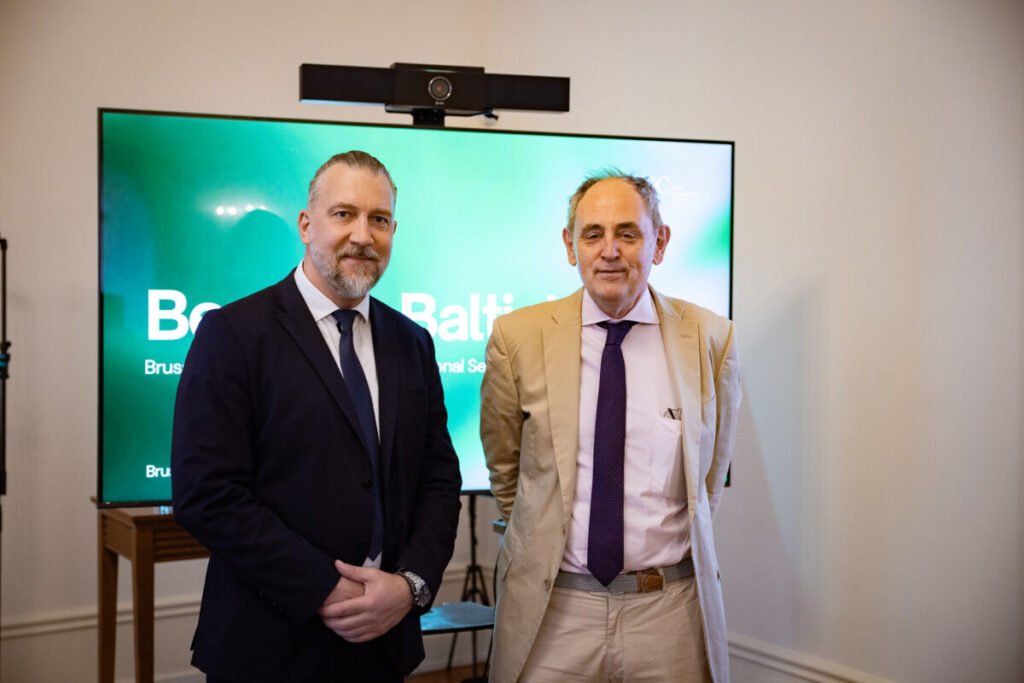
Around 150 guests attended the Centre’s second launch event at the Permanent Representation of Lithuania to the European Union in Brussels on 3 June.
Hosted by Ambassador Nerijus Aleksiejūnas and chaired by Vytautas Matulevičius, CEO of Bosanova and a supporter of BISC, the event brought together representatives from embassies, European institutions, think-tanks and business.
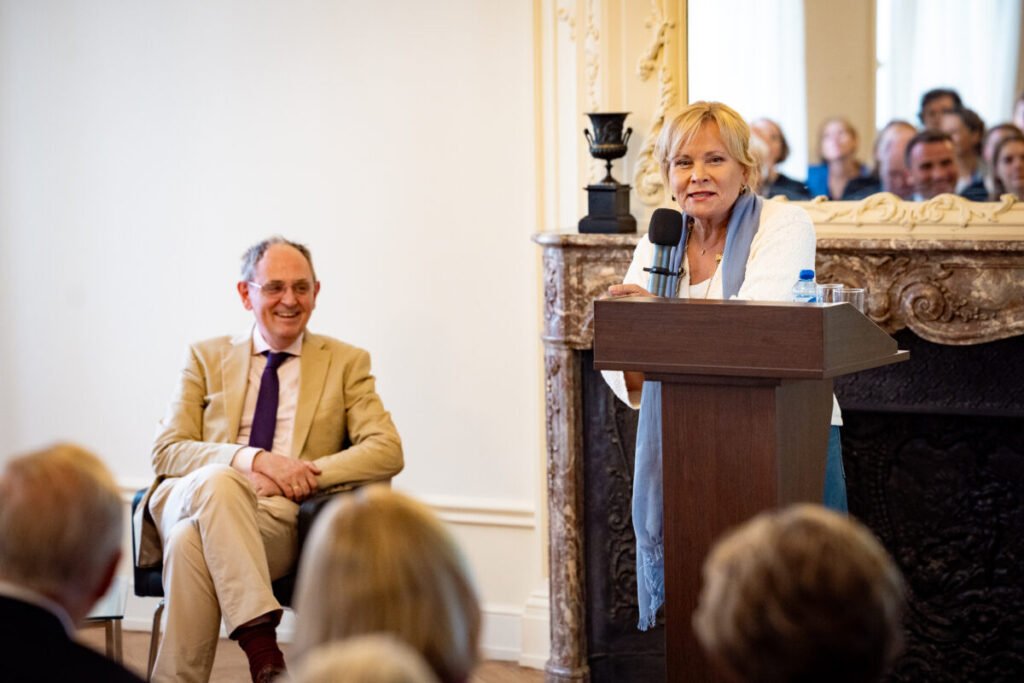
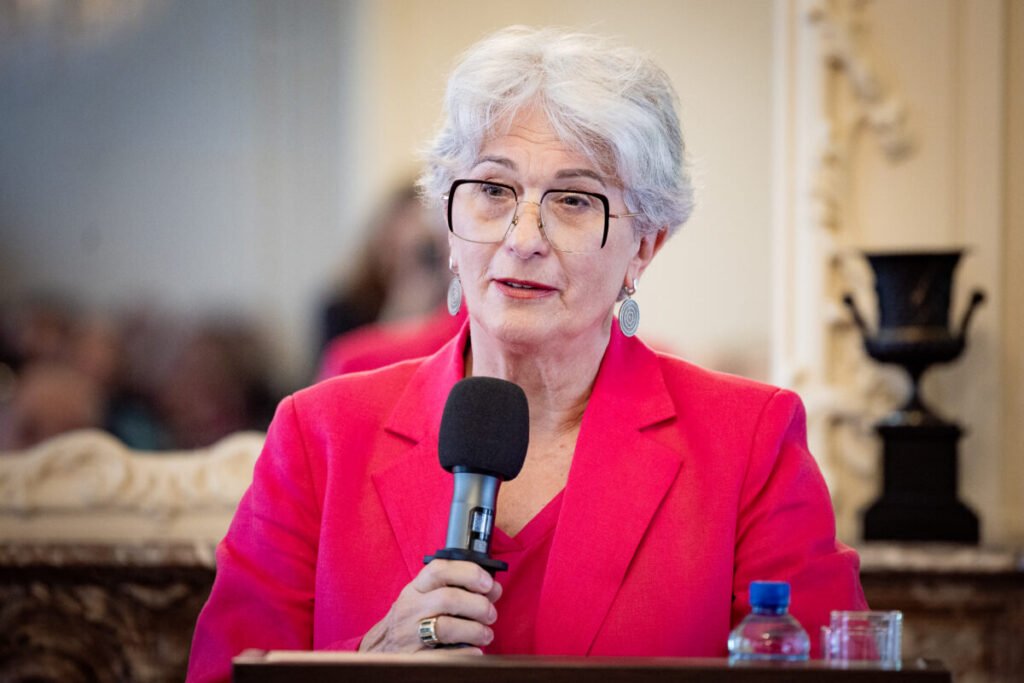
Guests heard opening remarks from Ambassador Aleksiejūnas, Ambassador Kyllike Sillaste-Elling of Estonia’s Permanent Representation to the EU and Sandra Kalniete MEP. All three speakers welcomed the creation of BISC as a platform for amplifying Baltic voices in European debates and stressed the value that Europe collectively stands to gain by drawing on Baltic expertise to help address key policy issues.
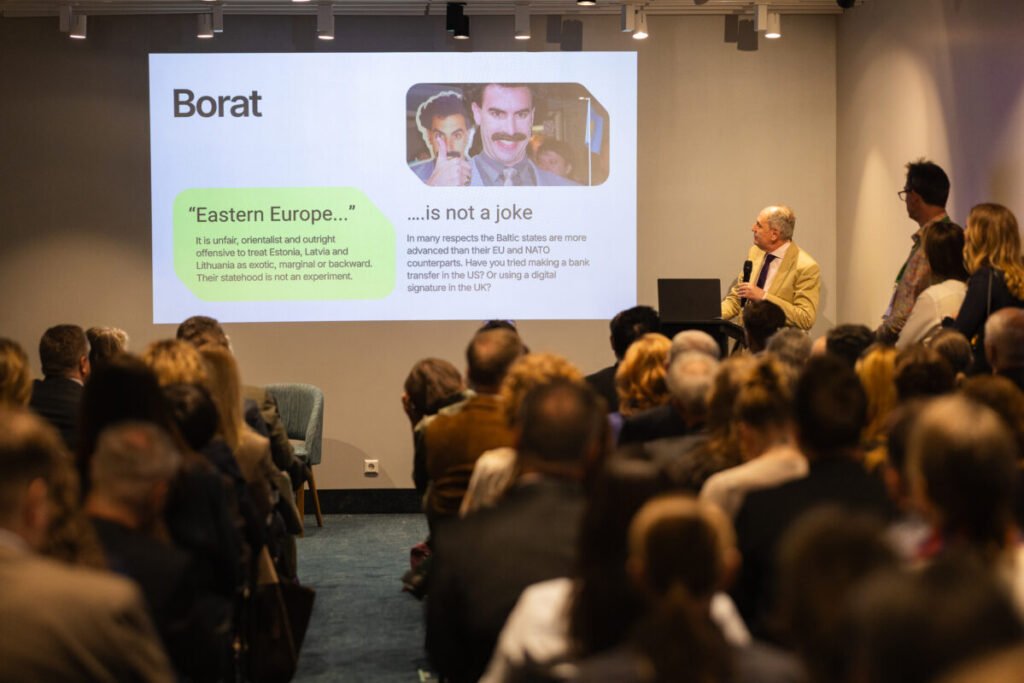
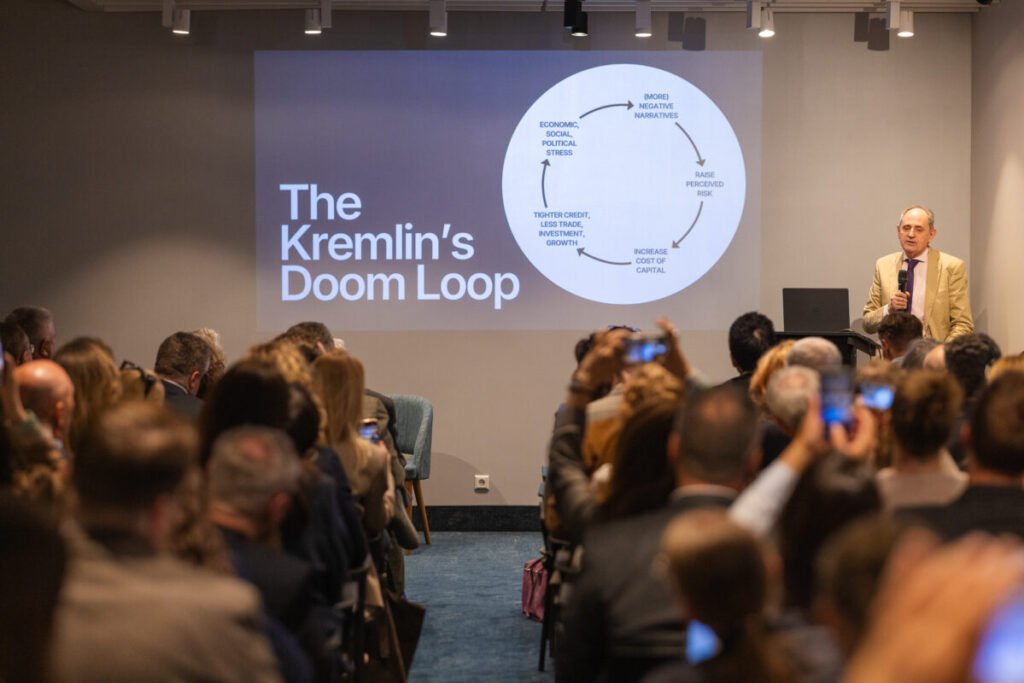
Lucas used his presentation to challenge sensationalist and reductive media narratives about the Baltic states. Through what he termed the “seven deadly sins” of reporting on the region, he highlighted a series of recurring errors and misconceptions that continue to colour Western commentary, from exaggerated portrayals of Baltic vulnerability to the witting or unwitting laundering of Kremlin strategic narratives of the Baltic States as “failed, friendless, fascist and fragile”.
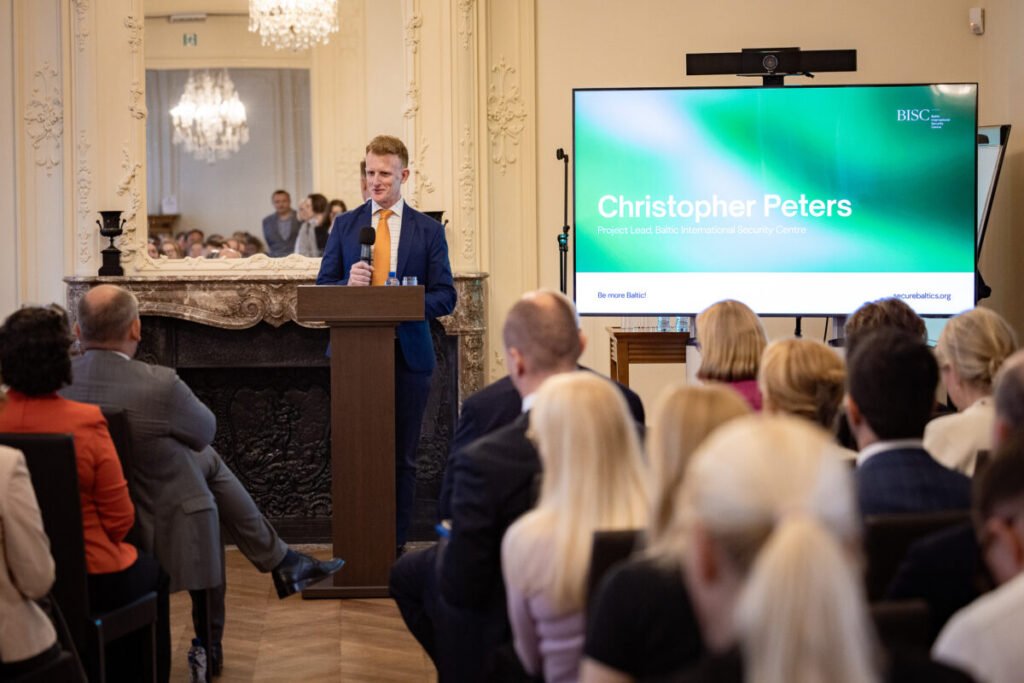
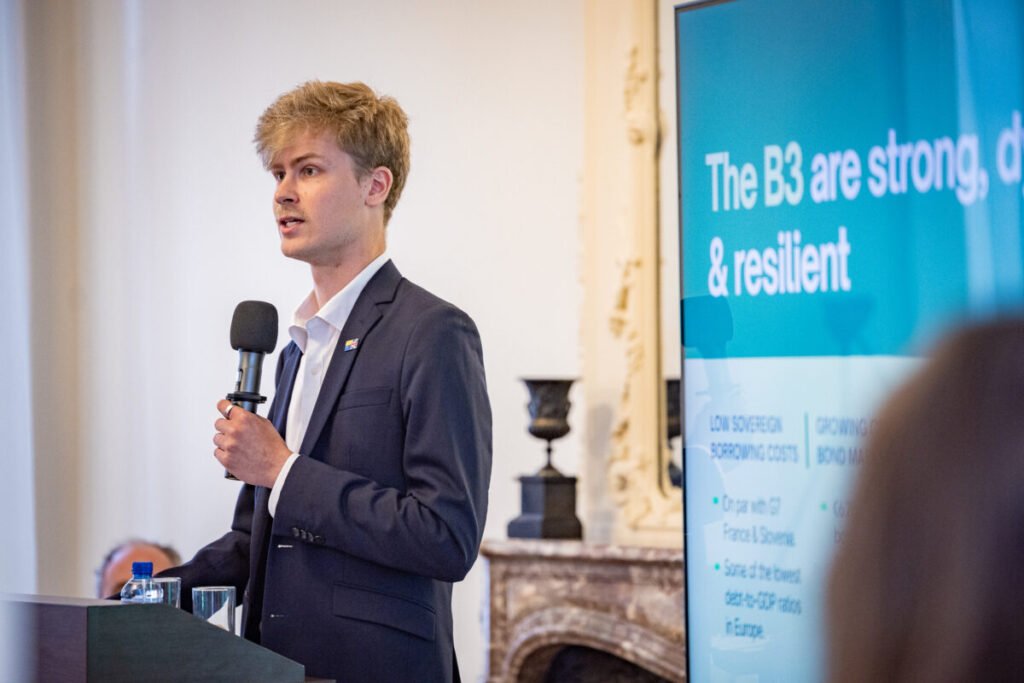
Guests were also introduced to the Centre’s first research programmes, with Christopher Butler Research Fellow, Caspar Schulze presenting findings from the inaugural Baltic Barometer and Christopher Peters outlining the key themes of the forthcoming Kaliningrad 2050 report. The event concluded with closing remarks from Rasa Juknevičienė MEP, followed by a lively and engaged Q&A that carried the discussion well beyond the formal programme.
Together, the launches in Vilnius and Brussels demonstrated a strong appetite for Baltic-informed debate on pressing European policy questions and marked a strong start for the Centre.
BISC has its London launch scheduled for early July and has plans to host similar events in Riga and Tallinn later in the year.