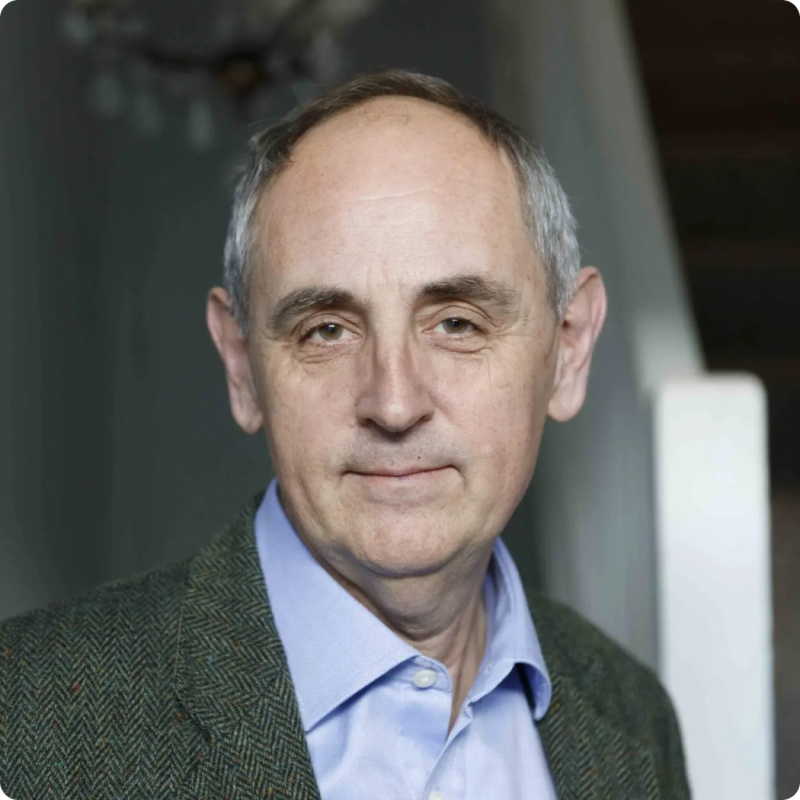
Edward Lucas
Director and Founder, Baltic International Security Centre

The Baltic International Security Centre (BISC) launched last week with events in Vilnius (2 June) and Brussels (3 June), bringing together Baltic policymakers and foreign dignitaries, journalists and security experts, business leaders and diplomats.
At both events, hosted at the Neringa hotel and the Permanent Representation of Lithuania to the European Union, respectively, BISC's founder and director, Edward Lucas, challenged the patronising, lazy and simplistic narratives that too often shape foreign commentary on the Baltic states.
"Narva is not next and the Suwałki Gap is not 'the most dangerous place in Europe' - these are myths and scare stories", says Lucas.
He outlined what he calls the "seven deadly sins" of naïve and irresponsible commentary on Latvia, Estonia and Lithuania, including the persisting tendency to echo Kremlin strategic narratives which position the region as "Failed, Friendless, Fascist and Fragile".
Together with the wider BISC team, he highlighted how the centre exists to counter such misleading characterisations and promote a more accurate understanding of the Baltic states. One which highlights their many achievements and strengths.
Estonia, Latvia and Lithuania are resilient societies - socially cohesive, vigilant, stable and innovative. They possess unrivalled expertise on Russia and Belarus. They play host to pioneering military-tech companies and set the international standard in areas such as cybersecurity and digital governance.
The events in Vilnius and Brussels highlighted a simple, but often overlooked reality: it is not only the Baltic states that Europe. Europe also needs the Baltic states. Their experience, expertise and strategic insights are vital assets for a continent facing complex challenges.
At a time of growing uncertainty, BISC says, 'Be more Baltic'.
Director and Founder, Baltic International Security Centre
Programme Lead, Kaliningrad 2050, Baltic International Security Centre
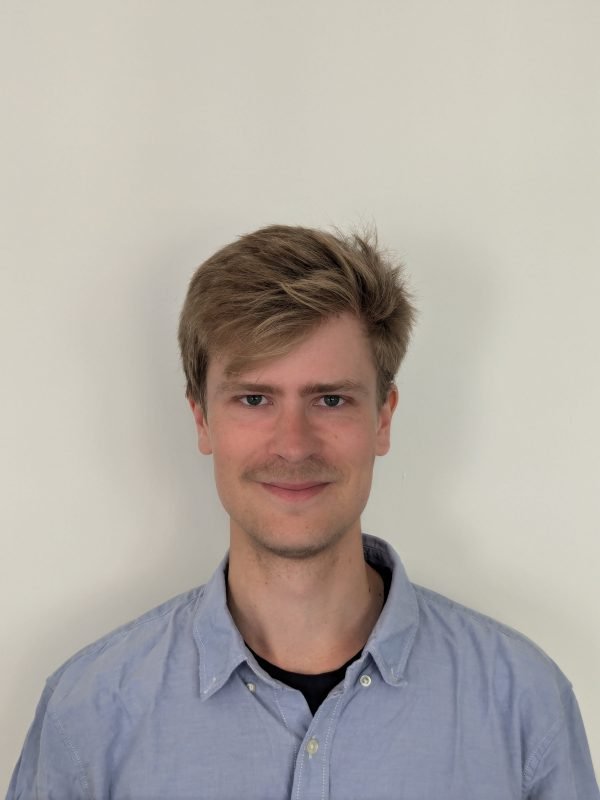
Christopher Butler Research Fellow, Baltic International Security Centre
By invitation only.